Ivana Runjic
Beloved Contributor
· Monday, November 9, 2026 · by from 2018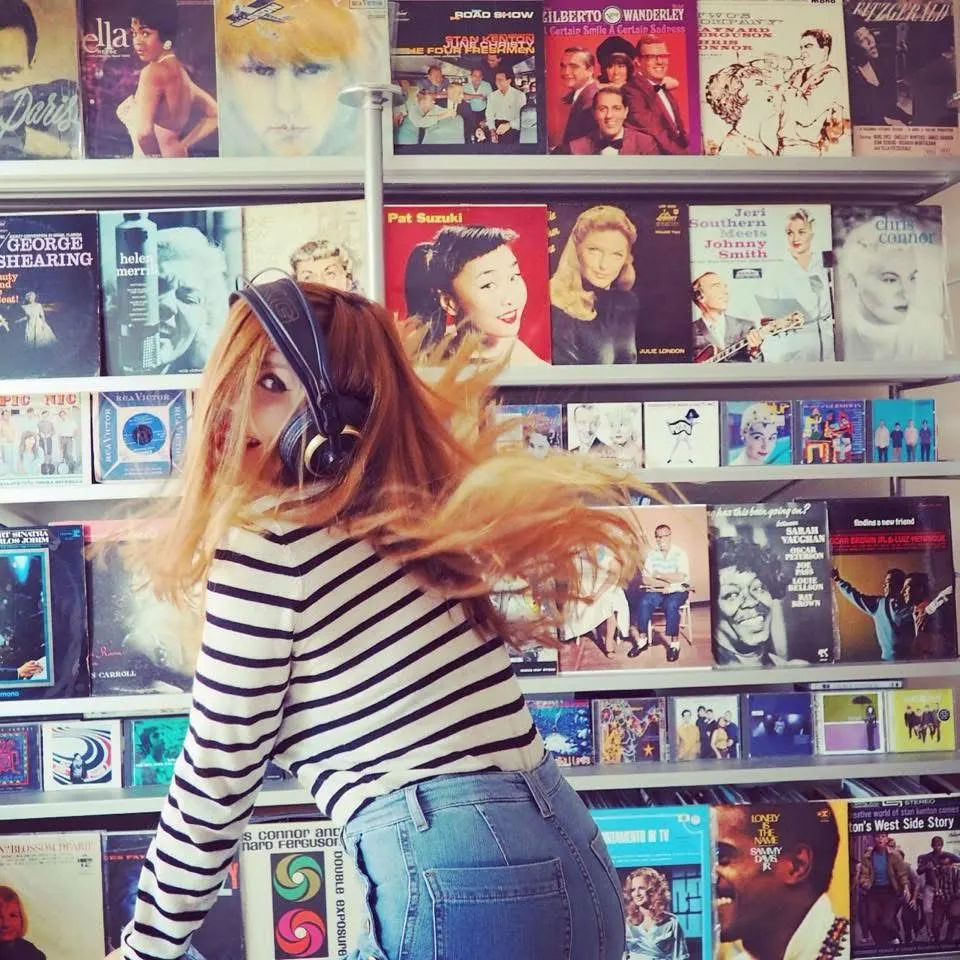
How did you discover Radiooooo?
I discovered Radiooooo in 2018, almost at the exact same time I found out I was pregnant. Someone shared a link on Facebook and I clicked without expectations. Within minutes, something aligned.
Because of my ADHD, I’ve always organized music in my head by decades and countries. I don’t just listen - I mentally place songs in time and geography. Seeing a world map structured that way felt strangely intimate, as if someone had translated my internal filing system into a living archive.
But the desire existed long before the platform. I always felt a quiet responsibility to preserve the music I believed mattered - not necessarily the hits, but the overlooked, regional, fragile recordings that risk disappearing in the speed of digital culture. Algorithms reward repetition. They don’t reward memory. I wanted to protect what I felt deserved to outlive trends.
At the time, Radiooooo was still in its early stages. I remember making a private promise to myself: once I gave birth and life stabilized, I would become a contributor.
During the isolation of the pandemic in 2020, that promise resurfaced. And I kept it.
What is your earliest musical memory?
My earliest musical memory might actually be my first memory, period.
I remember light before I remember details. My father was at the piano composing, backlit, almost in silhouette. I couldn’t see his face clearly, just the outline, the movement, the sound filling the room. It felt suspended, like time wasn’t moving in a straight line.
I didn’t understand melody or composition. I just remember the atmosphere — the glow, the repetition of notes, the sense that something was being shaped in front of me. Today, that image feels almost like it belongs to a previous life.
But maybe that’s what early memory is: sound and light before language.
Can you describe the surroundings when you’re usually listening to Radiooooo?
Most often, I listen with my son at home.
It’s usually late afternoon or evening. The light is softer, the house is calm but still alive - toys on the floor, books half-open, everyday life unfolding around us. We sit close, sometimes on the couch, sometimes at the table, holding the phone or laptop like it’s a small globe.
We ask each other, “Where are we traveling today?” and choose a country and a decade. Our living room in Split, Croatia suddenly coexists with 1970s Lagos or 1960s Paris. The ordinary space stretches.
But we always wait for spring. We can’t wait to take the radio outside - to the beach, to our garden. There’s something different about listening under open sky. The sound feels less contained. The map feels bigger.
For my son, it’s geography and adventure. For me, it’s continuity - watching another generation build their own internal atlas of sound.
Radiooooo doesn’t just change where we listen. It changes how large the world feels from wherever we are.
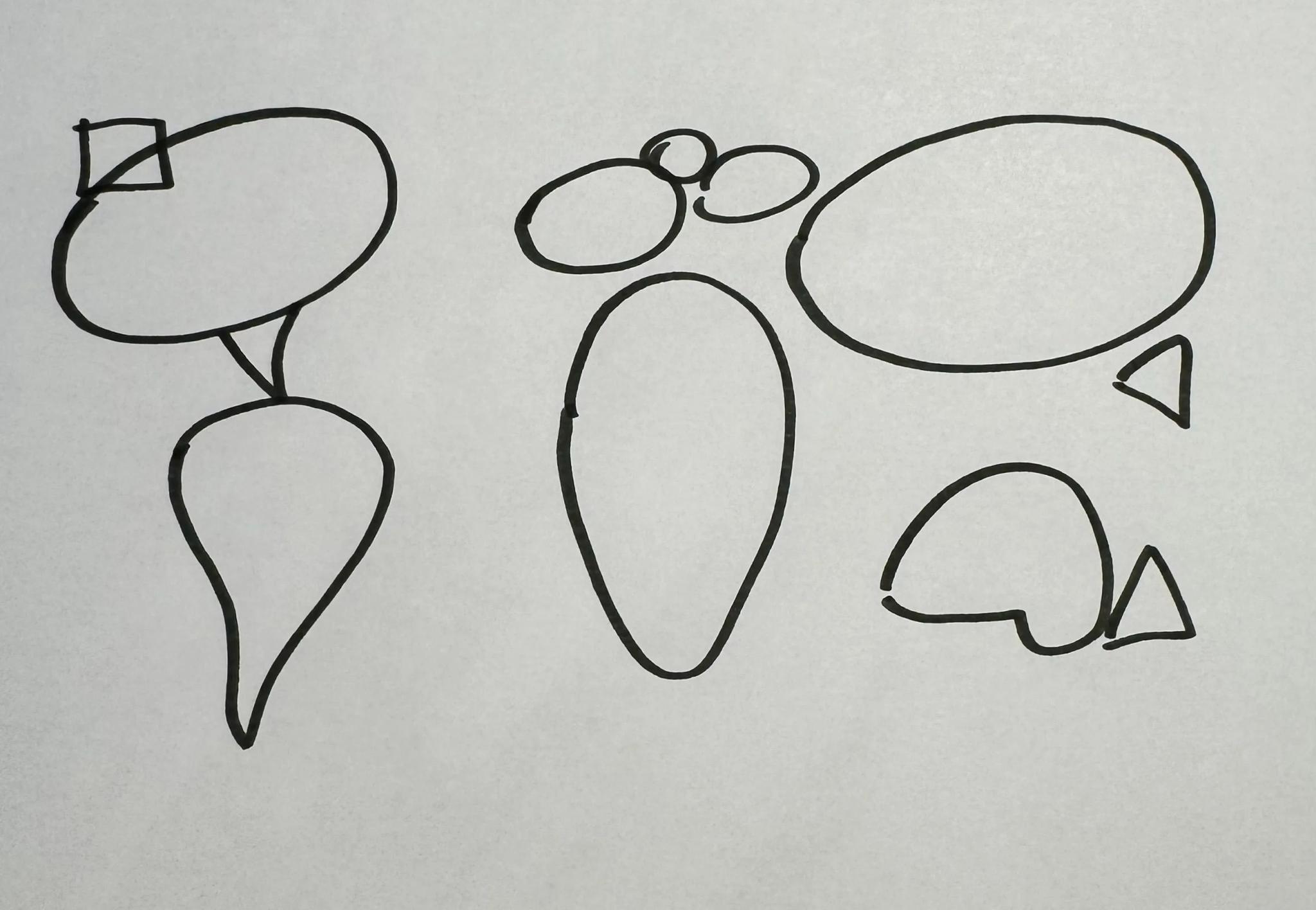
Can you draw us a map of the world from memory?
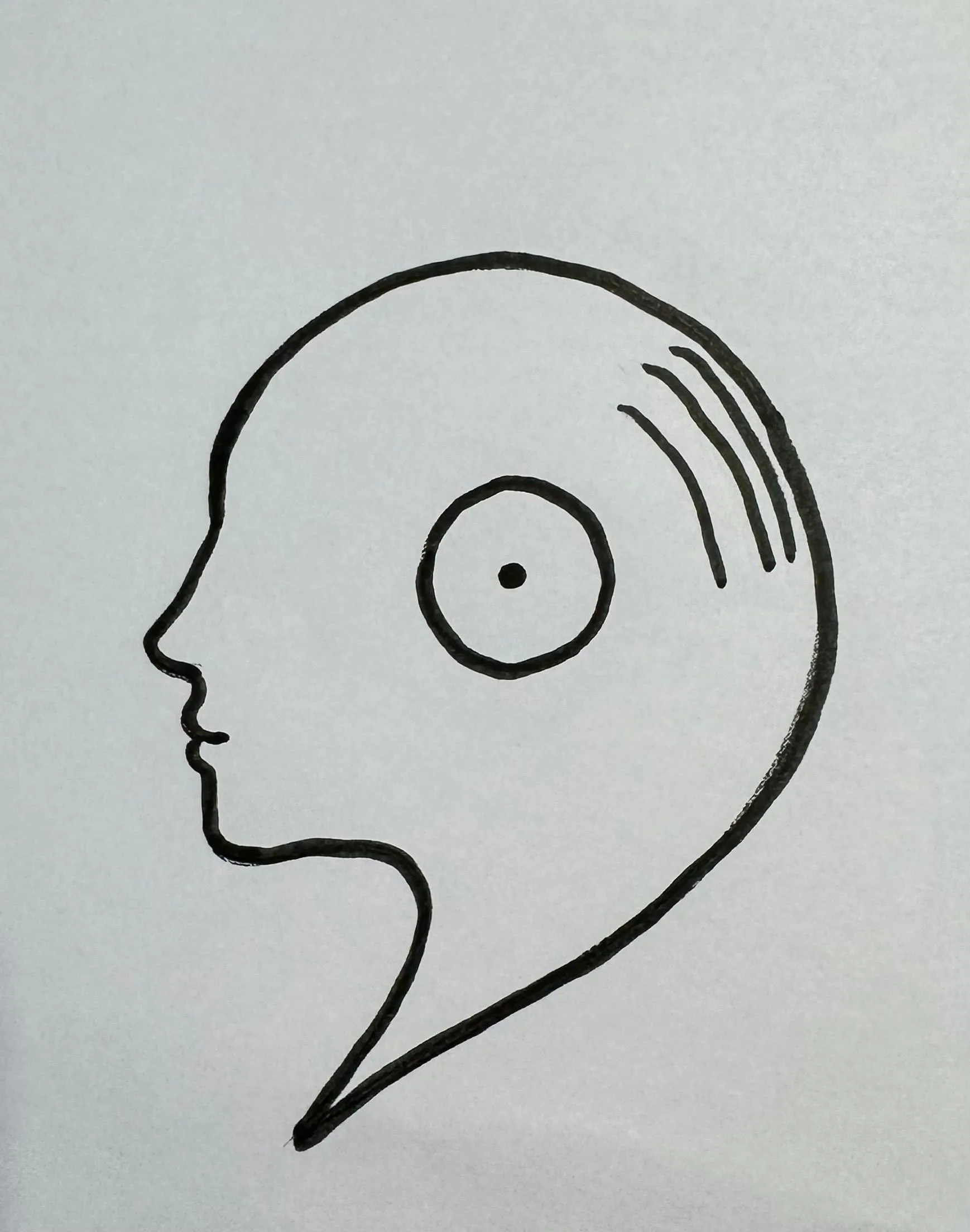
Could you draw us a self-portrait?
If you could choose any era to live in?
I wouldn’t permanently move to another decade. I like being able to visit them without being trapped in them. Maybe in 2070 we will be able to do that?:)
Every era sounds romantic from a distance, but each one had its limitations - politically, socially, technologically. What fascinates me is not living in a decade, but observing it through its music. Music carries the emotional truth of its time more honestly than nostalgia does.
If I had to choose one to experience more closely, it would probably be the 1970s. There was a certain rawness then - experimentation without immediate digital validation, scenes forming locally before being absorbed globally. You could hear geography in the sound.
But I prefer being here, now - with access to all of it.
What will the world be like in 50 years’ time?
In fifty years, I think the world will be obsessively documented.
Almost everything will be recorded, stored, indexed. We already live in a time where nothing truly disappears, it just becomes buried under excess. The challenge won’t be preservation. It will be discernment.
I hope that what truly matters - culturally, artistically, historically - will be carefully archived and protected. Not just digitized, but contextualized. Preservation without context is just data storage.
At the same time, I wonder: if everything is saved, will there still be anything left to discover?
Part of the magic of music today lies in the gaps - lost recordings, forgotten local scenes, fragile tapes that survived by accident. Discovery depends on absence as much as presence.
Maybe in fifty years, the role of the archivist won’t just be to save things - but to curate silence, to protect space for mystery.
Because if nothing can disappear, nothing can be found either.
What was better in the past?
I don’t think the past was better. I think it was slower.
Creative processes had more friction. Recording music required physical space, time, collaboration. You couldn’t instantly publish, instantly delete, instantly replace. That slowness created a different kind of weight. Decisions mattered because they were harder to reverse.
There was also more local identity in sound. Scenes developed in relative isolation before being absorbed into global culture. You could often hear where something was made.
But access was limited. Information was uneven. Many voices were excluded.
So I wouldn’t say the past was better. It was more constrained and constraints sometimes create depth.
If you had to play a song to someone living in 1900, which one would it be?
I would bring David Bowie’s “Life on Mars?”
Not because it sounds futuristic, but because it sounds theatrical. Someone in 1900 would recognize the drama in it - the piano, the vocal intensity, the almost operatic phrasing. They might not understand the production, but they would understand the emotion.
Bowie always felt slightly out of time. Bringing him back to 1900 would feel less like introducing the future and more like revealing a hidden bridge between eras.
I think they would be confused at first and then captivated.
What is the saddest song in the world?
I’m often called “the queen of melancholia” because I collect the most beautiful sad songs in the world on vinyl. Melancholy has always felt more honest to me than forced optimism.
If I had to choose one song, it would be Barbara’s “Mal de vivre.”
It’s not dramatic or theatrical. It doesn’t try to convince you of its sadness. It simply inhabits it.
There’s something almost unbearable in her restraint. She doesn’t collapse - she endures. And that quiet endurance feels heavier than overt despair.
That song doesn’t ask for sympathy. It asks for recognition.
To me, that is the deepest form of sadness.
If you could choose a soundtrack for your character in the film of your life?
If I had to choose a theme song for myself, it would be Lee Hazlewood’s “My Autumn’s Done Come.”
There’s something in that song that feels calm, reflective, and slightly detached from the rush of the world. It doesn’t fight time. It acknowledges it.
I’ve always been drawn to music that carries a sense of season, of transition rather than climax. That song feels like standing still while everything subtly changes around you.
Not dramatic. Not loud. Just aware.
And I think that’s closer to who I am.
Thank you, Ivana, for taking the time to answer our questions and, of course, for your incredible and wonderful contribution to the Radiooooo project!
Love from the whole team :)